Liverpool Sound and Vision Rating * * * *
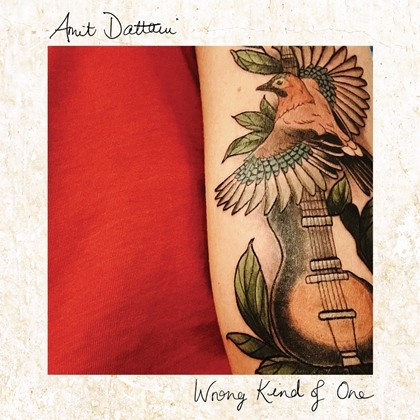
We often, in a modern setting, proclaim heroism when there is no such reality to our statement, we overlook the fight that a person may have had, the sense of sacrifice, the damage that comes with the continual punishment of grinding away at the surface of the soul; instead placing our congratulations at the feet of those whose success comes from a random act of serendipity and not pain or loss on a personal level.
To be a hero, whether on a national or world scale, or from just the smallest interaction, it must come from having understood that you have lost something in return, and in the authentic sound of Amit Dattani, heroism comes in the form of refusing to give in to that which could rob him of joy and performance.
Whilst the Wrong Kind Of One may sound as though it has a humble comprehension attached to it, its sincerity is based in valued appreciation of what was suffered and the long road back undertaken. It is heroism that many of us would not contemplate, yet as the artist must struggle, so they must be shown respect for dealing with a setback that may cost them more than fiscal reward, it costs them the ability to be unique, to be that which makes them human.
Wrong Kind Of One is set against the impactof degenerative nerve damage, one that threatened his music; yet stories are not always seen to be completed when the reader reaches that point in the tale, and with perseverance, with a huge belief, and adaptability, the songs and memories of the writer and player are once more rejoined in a festival of music and unconditional cool.
Following on from his debut album, Santiago, Wrong Kind Of One is resistance against the machine of fates, and one that is charming, unfiltered, of hardships fought and battling against insecurity and quiet conviction, and as tracks such as Make Me Down A Pallet On Your Floor, Gathering Acorns, the heartfelt and soul enthusing Now I Can Play On, Tony, and Just A Closer Walk With Thee all leave their indelible footprint, the weight of relief and intricate ambition is almost timeless and sincerely prised out in to the open, and the grace of exposure is riveting, and priceless as a lesson to all.
With dedicated assistance from the dynamic drumming of Steph Sanders in accompaniment, Amit Dattani’s return to the studio is one of joy and expression fulfilled, both as a listener, and as an artist.
Ian D. Hall